The holiday period is often when families spend the most time together. For many adult children, it is also when they notice that something has changed with a parent.
The house might not be kept the way it used to be. A parent might be holding onto furniture to get around, or there might be unopened mail piling up on the bench. Sometimes it is a small comment, like a parent saying they have stopped using the shower because getting in and out feels unsafe.
These changes can be hard to raise. Many older people want to stay in their own home for as long as possible, and they may worry that admitting they are struggling means losing their independence. An occupational therapist can help families understand what is going on and put the right supports in place so their parent can stay at home safely and with confidence.
Why small changes matter
Changes in an older person's daily life often happen gradually. A parent may slowly stop doing things that have become difficult, such as cooking proper meals, going out to the shops, or having a full shower. Because these changes happen over months or years, the person may not notice them themselves. Family members who visit less often are usually the first to see the difference.
Worth remembering
Picking up on these changes early makes a real difference. Simple supports put in place now can prevent a fall, a hospital admission, or a sudden move out of the home later on.
What are the signs to look out for?
Changes in how they move around the home
Watch how your parent gets around the house. They may be holding onto walls, benches, or furniture as they walk. They might take longer to get up from a chair or the toilet, or avoid the stairs altogether. Some people stop using parts of the house, such as an upstairs bedroom or the back garden, because getting there feels too hard.
Bruises, a recent fall, or a fear of falling are also important signs. Falls are one of the most common reasons older people end up in hospital, and many of them can be prevented with the right changes at home.
Difficulty with personal care
Showering, dressing, and using the toilet are some of the first tasks to become difficult. A parent may be showering less often, wearing the same clothes for several days, or struggling with buttons and shoelaces. Stepping over a bath to use the shower is a common risk.
Many older people will not mention these difficulties because they feel embarrassed. Noticing changes in grooming or hygiene is often the first clue that personal care has become harder to manage.
Changes in meals and household tasks
Take a look in the fridge and the pantry. Out of date food, very little fresh food, or a reliance on snacks can mean cooking has become difficult. The house might be less clean than usual, the washing might be piling up, or the garden might be overgrown.
These changes can be linked to reduced strength, pain, fatigue, or changes in memory and planning. Over time, they can affect nutrition, health, and safety.
Changes in memory and managing day to day
Some changes are related to thinking rather than physical ability. A parent might forget appointments, miss medications, leave the stove on, or have unpaid bills building up. They might get confused about the day or repeat the same questions.
These changes do not always mean dementia, but they are worth raising with their GP. An occupational therapist can look at how these changes affect daily tasks and recommend strategies to keep the person safe at home.
Pulling back from activities and people
If a parent has stopped going to their usual activities, seeing friends, or leaving the house, it is worth asking why. Sometimes it is because getting out has become physically difficult, or they no longer feel confident driving or using public transport.
Losing these connections can affect mood and wellbeing, and it often leads to further decline.
How an occupational therapist can help
An occupational therapist looks at the person, the tasks they need to do, and the home they live in. The aim is to work out what is getting in the way and what can be changed so the person can keep doing the things that matter to them.
At REM Healthcare, this usually starts with a home visit. We talk with the person and their family about how they are managing and what they would like to be able to do. We also watch them complete everyday tasks in their own home, such as getting in and out of the shower, getting up from a chair, or moving between rooms.
From there, recommendations might include:
- Equipment to make daily tasks safer. This could be a shower chair, a toilet frame, a bed rail, or a better chair that is easier to get in and out of. We make sure the equipment suits the person and the space, and show them how to use it properly.
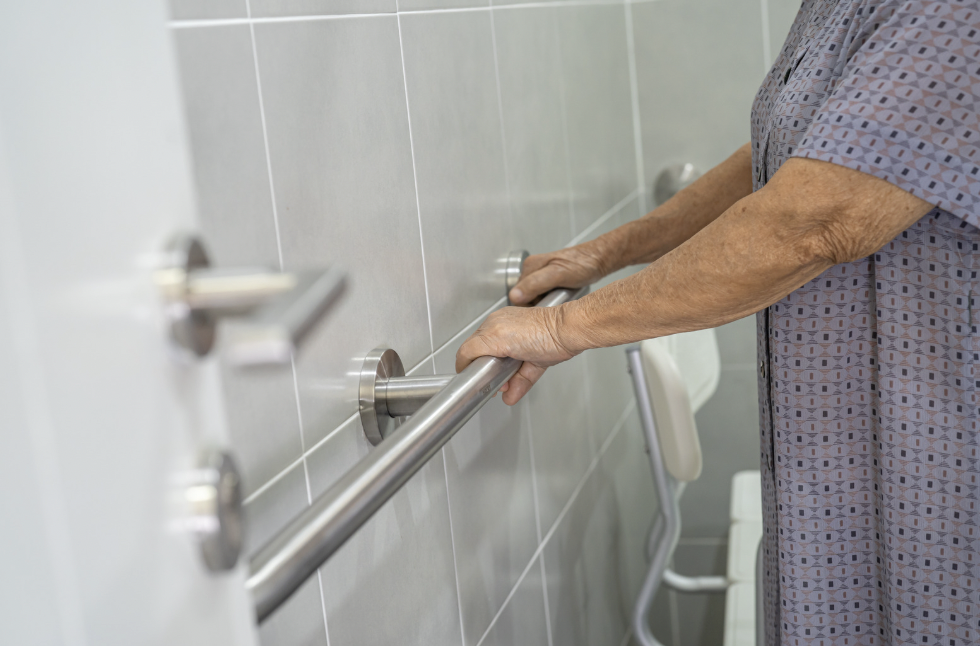
- Changes to the home. Simple changes such as grab rails, removing trip hazards, or improving lighting can greatly reduce the risk of falls. Where needed, we can recommend larger home modifications such as converting a bath into a walk in shower or installing a ramp at the entrance.
- Strategies and routines. We work with the person on practical ways to manage tasks that have become harder, such as sitting down to dress, planning meals ahead, or using simple reminders for medications and appointments.
- Linking in with other supports. If more help is needed at home, we can talk with families about the options available and provide information for their GP or other services involved.
How to start the conversation
Raising concerns with a parent can be difficult. It often helps to focus on what they want, which for most people is to stay living in their own home. Framing support as a way to make that possible, rather than a sign they cannot cope, can make the conversation easier.
An occupational therapy assessment can be a good first step because it focuses on independence and safety. It is about finding ways for the person to keep doing things for themselves.
Book a home safety assessment
If you have noticed some of these signs in a parent or family member, an occupational therapist can help you work out what support they need.
REM Healthcare has availability for new clients across Melbourne. Family members are welcome to make a referral on behalf of a parent, and referrals from GPs and other health professionals are also welcome.
Call (03) 7056 9960 or submit a referral through our website.