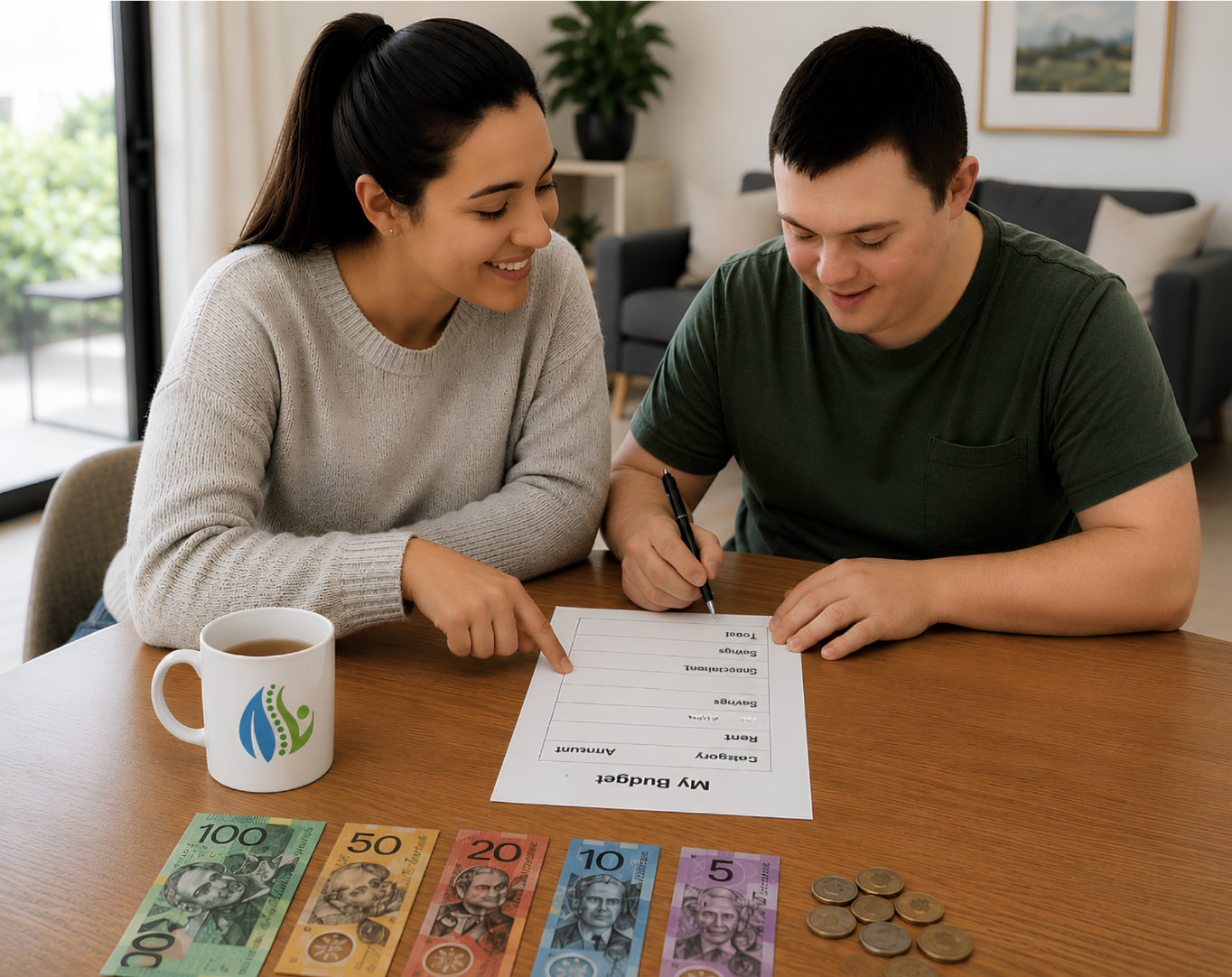
Capacity building is about helping someone do more for themselves. Not doing things for them, but working alongside them until the skills, confidence, and routines are there to sustain independence on their own.
What is capacity building in occupational therapy?
People come to us with different goals and different starting points. What they have in common is that something in their daily life is not working the way they need it to. We help them figure out why, and build the skills to change it. That might mean learning to manage a daily routine that has become increasingly difficult to sustain, or developing the confidence to navigate the community independently for the first time.
It is not specific to any one diagnosis or life stage. We see people recovering from injury, managing mental health conditions, preparing for greater independence, and a great deal in between.
What does capacity building actually look like?
It looks different for everyone, because the goals are different for everyone.
For one person it might mean learning to catch a bus to work after an acquired brain injury. For another it is developing the structure and motivation to get through a day when depression has made that genuinely hard. For a young adult it might mean building the daily living and money management skills to move out of the family home for the first time.
Occupational therapists look at the full picture of someone's life, not just their diagnosis. We identify the specific skills standing between where someone is now and where they want to be.
Areas we work on
Executive functioning
Executive functioning covers the cognitive skills needed to plan, initiate, organise, and follow through on tasks. When this is affected by a neurological condition, acquired brain injury, mental health diagnosis, or developmental disability, daily life can become difficult. Someone might know exactly what they need to do but find themselves unable to start. They might begin a task and lose track of it halfway through. They may also struggle to manage time which can lead to missed appointments, skipped meals, or losing track of the day.
We work with people to understand exactly where that breakdown is occurring and build strategies around it. That might mean learning to use a structured planning tool that fits how their brain works, breaking tasks into steps that feel manageable rather than overwhelming, or adjusting their environment so there are fewer competing demands pulling their attention. Over time people develop the skills and habits to initiate and follow through on their day with far less effort than before. Things that used to take enormous mental energy start to feel like a routine.
Daily living skills
Daily living skills cover the practical tasks that make up everyday life. Personal care, preparing meals, managing medications, and keeping a home environment functional. When illness, injury, or disability disrupts these, the effect goes beyond the tasks themselves. People can lose confidence quickly and begin to feel that independence is slipping away from them.
We work through each area in the person's own environment, identifying what is getting in the way and building the specific skills and strategies to address it. Someone who has struggled to prepare a meal independently might learn adapted techniques that work around their physical limitations. Someone who has been missing medications might develop a system that makes taking them at the right time straightforward and reliable. Small changes in each area add up to a very different daily experience.
Independent living skills
For people who want to live on their own, whether for the first time or following a change in circumstances, the gap between where they are and where they want to be can feel significant. Independent living involves a wide range of skills across self-care, household management, cooking, safety awareness, and community navigation, and most people have strengths in some areas and genuine gaps in others.
We assess where someone is across all of these areas and work through each one systematically. Someone might be confident cooking but have never managed a bill payment in their life. Another person might handle finances well but have never managed their own medications or maintained a home on their own. We build the specific skills that are missing so that when someone moves into their own home, they are genuinely ready for it.
Budgeting and money management
Managing money is one of the practical skills that affects almost every other area of life. When someone does not have reliable systems for tracking their income and expenses, financial stress builds quickly and can affect their mental health, their ability to meet basic needs, and their confidence in managing independently.
We work with people on understanding their income and expenses, reading and managing bills, using banking apps and online platforms, and building simple weekly spending habits that are sustainable. For someone who has never managed their own finances, developing these skills for the first time can feel like a significant step toward real autonomy. For someone who has lost this capacity following an injury or health event, rebuilding it restores a level of control that touches every part of daily life.
Public transport training
Being able to get around independently changes what is possible. Employment, education, medical appointments, social connection, and community participation all become more accessible when someone can travel without relying on another person to take them.
We work with people from wherever they currently are. That might mean starting with a single familiar route and building confidence before expanding gradually, learning to use journey planning apps, or developing strategies for managing delays and unfamiliar situations. The measure of success is not a supervised practice run. It is the point where someone gets themselves where they need to go on their own, consistently and without anxiety.
Community access
For people whose anxiety, agoraphobia, or reduced confidence has limited their participation in the community, getting back out into the world is not simply a matter of deciding to do it. Avoidance tends to reinforce itself over time, and the longer someone has been away from community environments, the harder it can feel to return.
We work on structured and gradual exposure to community environments, always starting from where the person actually is and building toward something they genuinely want to do. Over time people find they can do things they had written off. Attending a medical appointment independently. Visiting a familiar place without needing someone with them. Participating in an activity that matters to them. That kind of progress changes how someone sees what is possible for them.
Routine building
Without structure, even people with strong functional capacity can struggle to initiate and sustain the activities that make up a day. This is particularly common for people managing depression, low motivation, fatigue, or difficulty with self-regulation. Days can pass without the things that needed to happen actually happening, which over time affects physical health, mental health, and overall independence.
We work collaboratively to design routines that are realistic given the person's current capacity and meaningful given what they actually value. The goal is a structure that someone can maintain without constant external support. Equally important is building the skills to re-establish routine when it breaks down, because it will at some point for most people. Being able to recover from a disrupted day or week, rather than losing ground entirely, is one of the most practical skills we work on.
Upskilling family and supports
The people around someone play a significant role in whether the gains made in therapy are maintained in everyday life. A family member who steps in to complete a task the person is capable of doing themselves, even with the best intentions, can slow progress without realising it. A support worker who is not familiar with the strategies being used in therapy may inadvertently work against them.
We work directly with families, carers, and support workers to build their understanding of what the person is working toward and how they can actively support that progress. This includes practical guidance on how to prompt without taking over, how to set up the home environment in a way that supports independence, and how to recognise when stepping back is actually the more helpful response. When everyone around a person is working from the same understanding, progress is faster and far more likely to last.
How REM Healthcare approaches capacity building
We start with what the person actually wants. Goals come from the individual, and where relevant, the people around them who know them best.
We use tools including the Canadian Occupational Performance Measure and Goal Attainment Scaling to set a clear baseline and track progress over time. At any point in the intervention we can show what has changed and why it matters.
Progress is documented
Progress is not assumed. It is tracked and documented. This matters at funding reviews, where evidence of functional gains supports the case for continued support. But it matters beyond funding too. Seeing your own progress, clearly documented, is part of what makes the work worth continuing.
Who is capacity building occupational therapy for?
More people than most realise.
We work with people across psychosocial, intellectual, physical, and neurological disability categories. With people rebuilding after stroke, acquired brain injury, or trauma. With adults whose mental health condition affects their ability to structure and sustain daily life. With young people working toward independence. And with people returning to community life after inpatient or supported care.
If you are unsure whether capacity building is the right fit, an initial assessment can clarify that and point toward the most appropriate intervention.
How is capacity building funded?
It depends on your situation. For people with an active funding plan, capacity building occupational therapy typically sits under a dedicated therapeutic budget separate from day to day supports. It can also be accessed privately.
If you are not sure what applies to you, contact us before making any commitment and we can talk it through.
Book a capacity building assessment in Melbourne
REM Healthcare has availability for new clients across Melbourne.
We welcome referrals from support coordinators, allied health practitioners, hospital discharge teams, and families. Self referrals are equally welcome.
Call us on (03) 7056 9960 or submit a referral through our website.